Tyre speed rating chart (J to Y)
What each tyre speed rating letter means in km/h, from J to Y, where to find it on the sidewall, and why truck and van tyres carry lower ratings.
The speed rating is the letter after the load index, like the V in 205/55R16 91V. It's the highest speed the tyre is built to sustain while carrying its rated load at the correct pressure.
| Speed rating | Max speed | Typically seen on |
|---|---|---|
| J | 100 km/h | Light truck and trailer |
| K | 110 km/h | Truck and on/off-road |
| L | 120 km/h | Truck and light truck |
| M | 130 km/h | Truck, bus and light truck |
| N | 140 km/h | Light truck and van |
| P | 150 km/h | Van |
| Q | 160 km/h | Van and light truck |
| R | 170 km/h | Van |
| S | 180 km/h | Passenger and van |
| T | 190 km/h | Passenger |
| U | 200 km/h | Passenger |
| H | 210 km/h | Passenger |
| V | 240 km/h | Passenger |
| W | 270 km/h | Performance |
| Y | 300 km/h | Performance |
H sits between U and V. It's out of alphabetical order because it was added later.
Why truck and van tyres have lower ratings
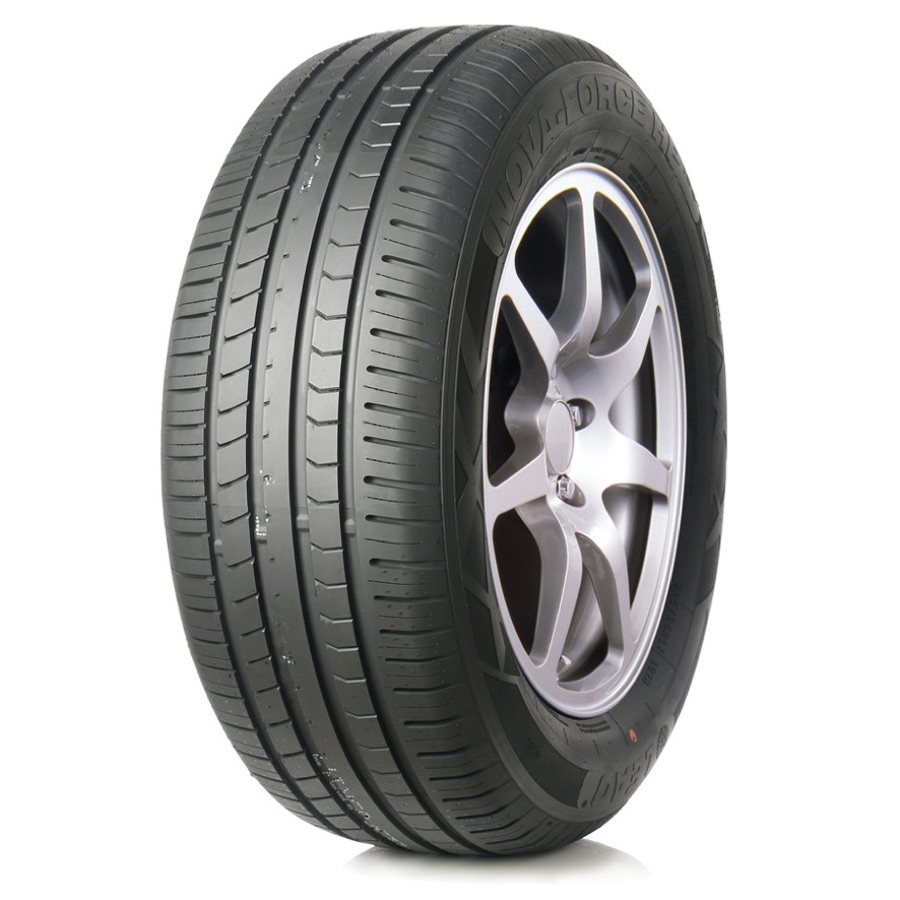
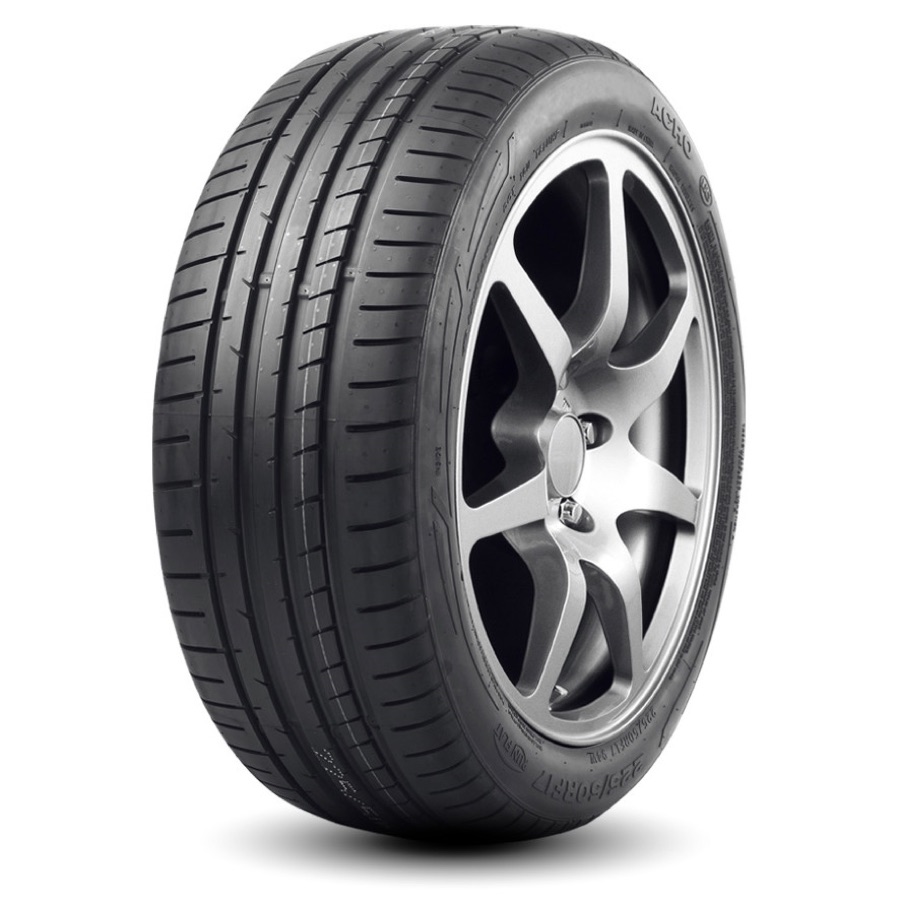
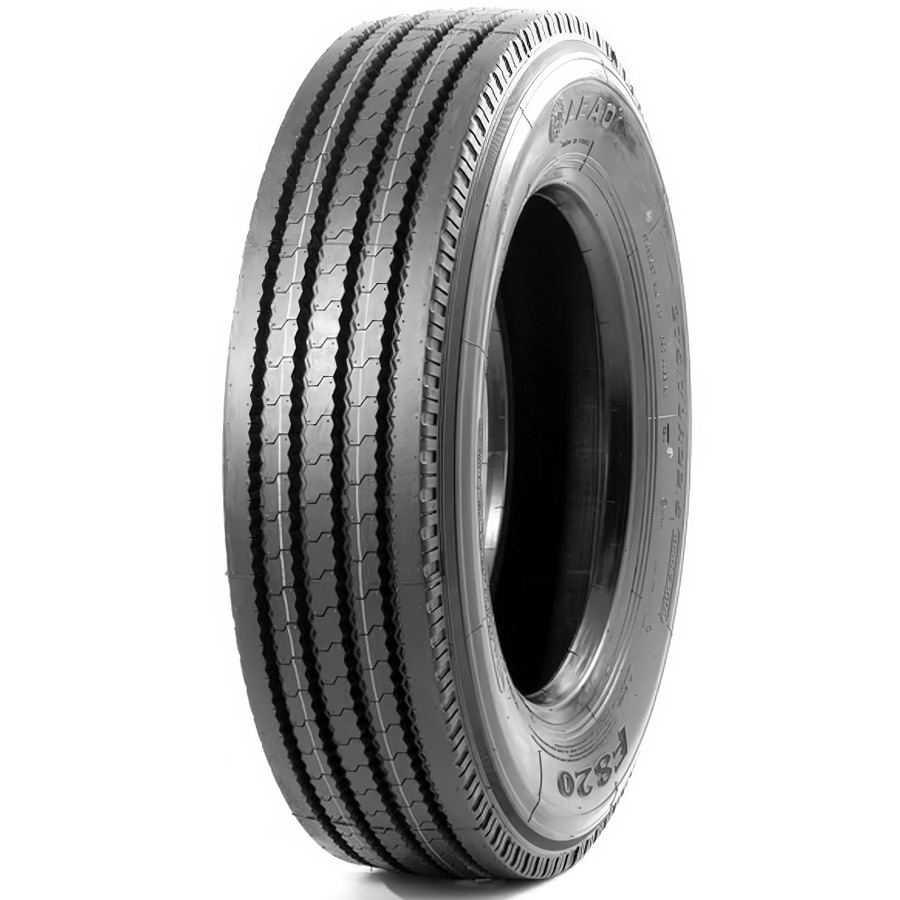
Truck and van tyres are built to carry heavy loads for long distances, not for high speed. A rating of L (120 km/h) or M (130 km/h) is normal for a truck radial and well above the legal limit for a heavy vehicle. In the LEAO range, the F820 runs from J to M ratings depending on size, while passenger tyres like the NOVA-FORCE HP100 run from T to V.
Speed rating and load
The speed rating applies at the tyre's rated load and correct pressure. An under-inflated or overloaded tyre runs hotter and can fail well below its rated speed.
Choosing a replacement
A replacement tyre should meet or exceed the speed rating on the vehicle's tyre placard. Fitting a lower rating can affect handling, roadworthiness and insurance. Check your state's rules before fitting a lower rating.
When a vehicle runs mixed ratings, the lowest rating on the vehicle sets the limit.
Where to find it
The speed rating is printed after the load index on the sidewall, for example 91V or 148/145L. See how to read a tyre size for the rest of the sidewall and the tyre load index chart for the load numbers.