Steer, drive or all-position? Choosing truck tyres by wheel position
How steer, drive, trailer and all-position truck tyres differ, how to read dual load numbers, and which LEAO patterns fit each job.
Truck tyres are designed for a wheel position. Fitting the right pattern to each axle is the easiest way to get even wear and predictable handling.
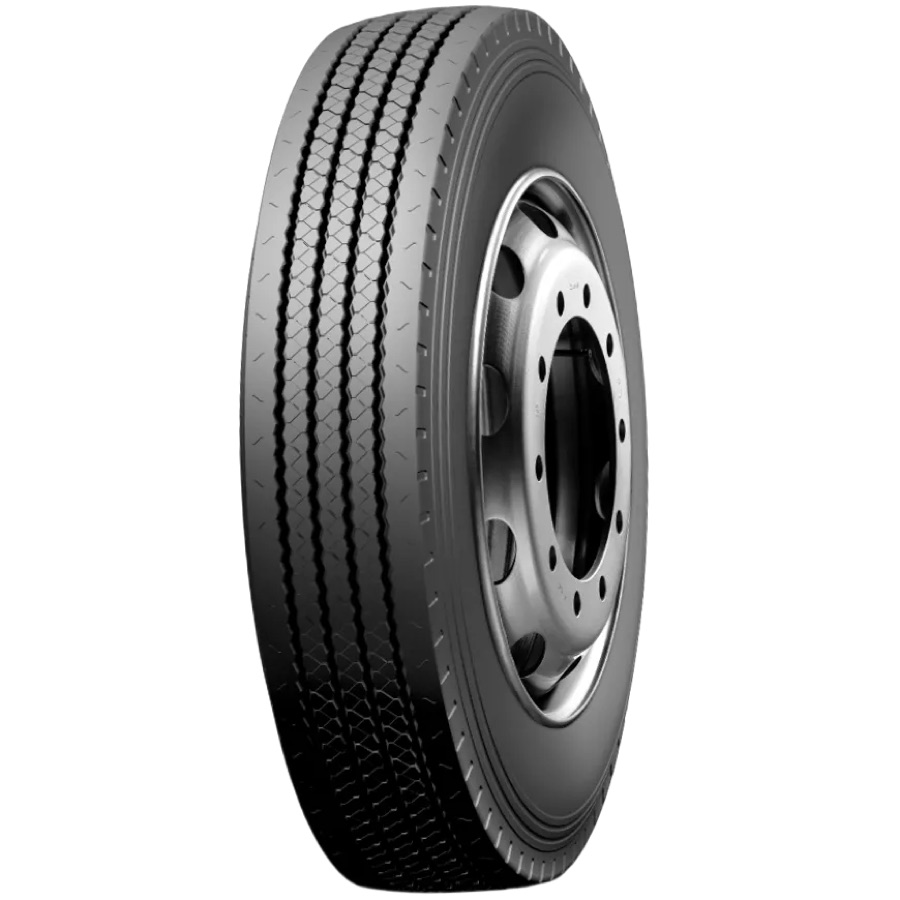
Steer
Steer tyres sit on the front axle. They usually have a rib tread with straight grooves, which keeps steering precise and wear even. They carry the steering load and need the most attention to pressure and alignment.
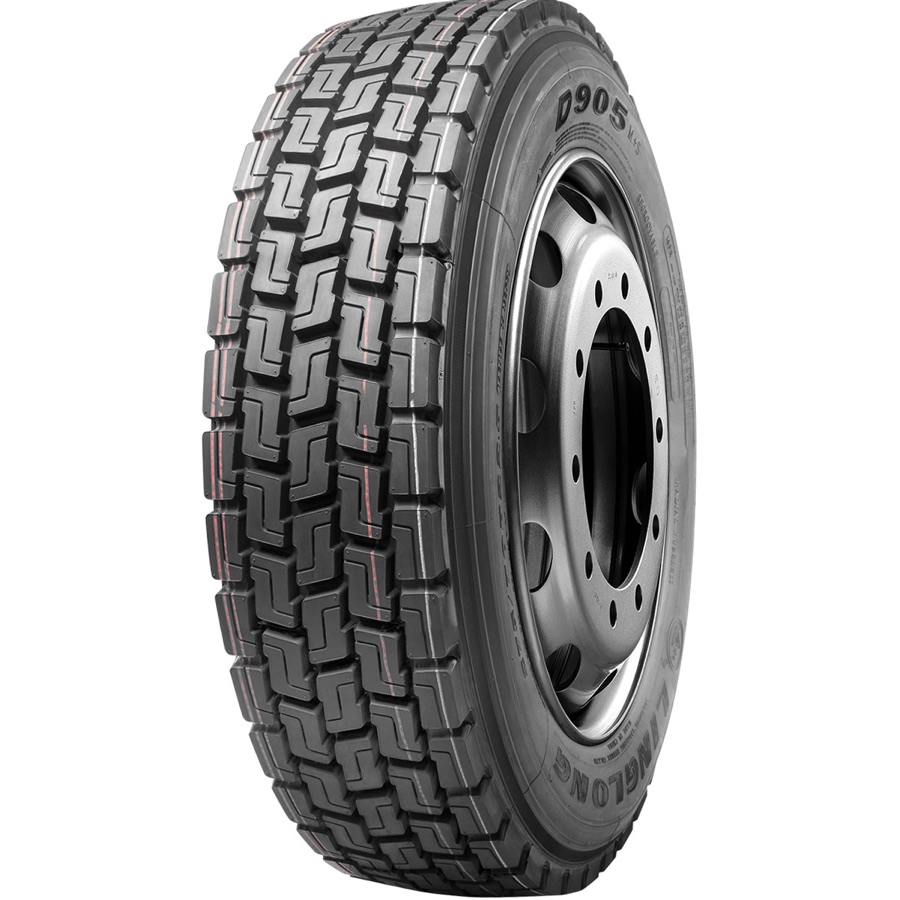
Drive
Drive tyres sit on the powered axles. A block tread gives traction for pulling away, climbing and braking, especially on wet roads. The LEAO D905 is a regional drive-axle radial with a block pattern, from 17.5-inch to 22.5-inch fitments.
Trailer
Trailer axles are free-rolling. Trailer tyres focus on low rolling resistance and resisting scrub when the trailer turns tightly.
All-position
All-position tyres can run on any axle. They suit rigid trucks, buses and mixed fleets that want one pattern across the vehicle.
- LEAO AFL866: regional all-position radial for light and medium trucks, with an extra-wide tread for even wear. Light-truck LT and 17.5-inch sizes.
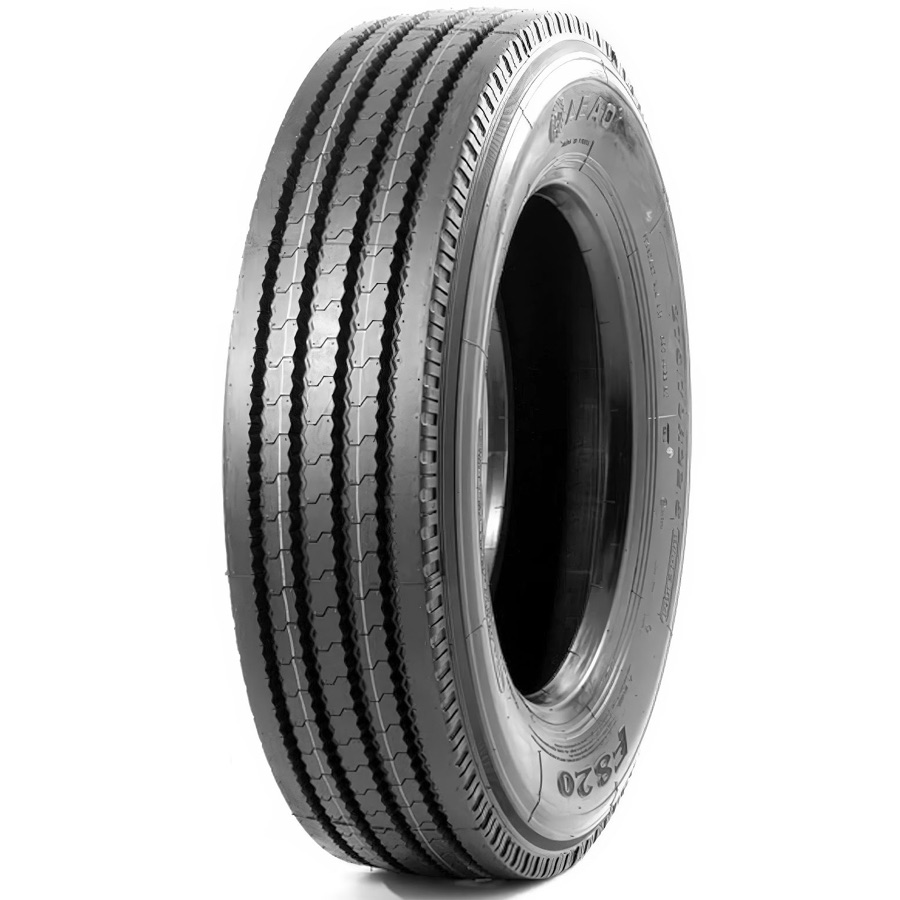
- LEAO F820: all-position radial for buses and medium trucks, with a straight-rib tread. 17.5-inch to 22.5-inch sizes.
Reading dual load numbers
Truck tyres show two load index numbers, such as 126/124. The first is the load for a single fitment, the second for each tyre in a dual pair. When you replace one tyre in a dual pair, match the size and tread depth of its partner so both carry the load evenly.
Check pressure and size before you order
Run the pressure set by the vehicle or tyre maker for your load, and check it cold. Size and ply rating should match what the vehicle is specified for. Not every catalogue size is stocked in Australia, so call your nearest warehouse to confirm availability before you book a fit.